
太极张三丰
猜猜苹果iPhone的第三个摄像头在2019年会做什么?_我的网站

A | 继华为和三星之后,有传言称苹果将在2019年推出至少一款三摄像头后向iPhone。
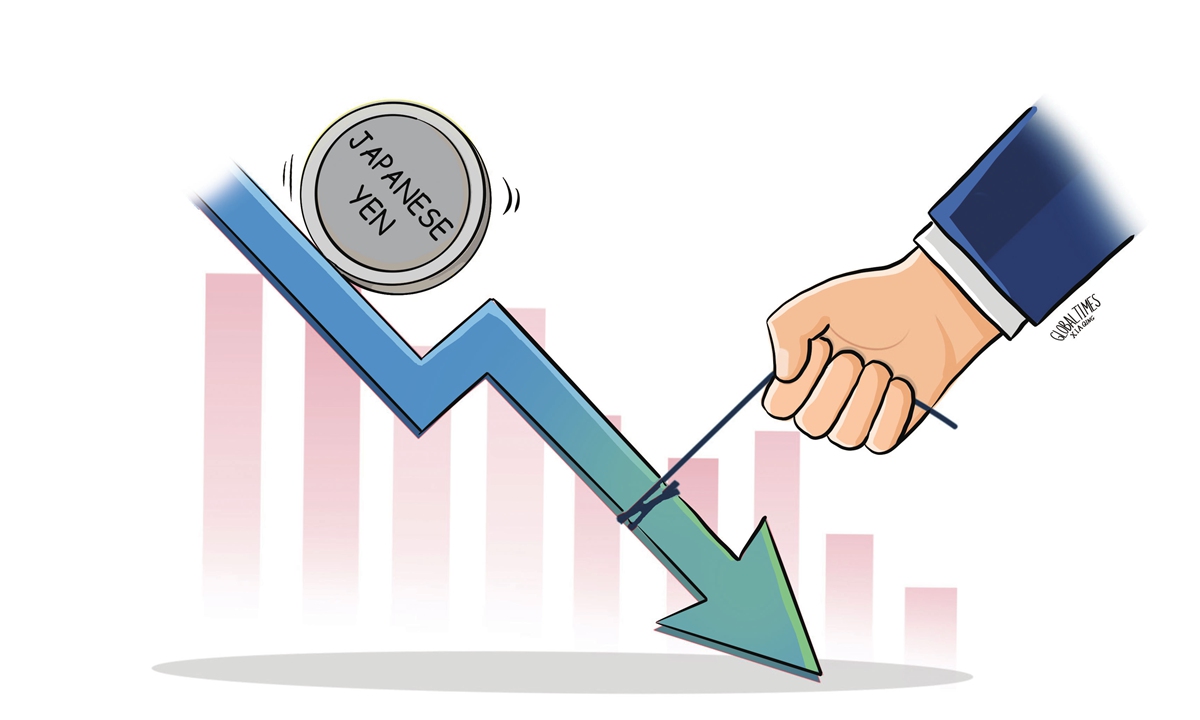
The yen has weakened in recent days, edging closer to the psychologically important 160 level against the US dollar. The decline comes despite the widely watched move by Washington to join Tokyo in supporting the currency. Less than two weeks after the US-Japan intervention, the yen has given up roughly half of its gains, raising fresh questions over the effectiveness of coordinated efforts to stabilize the exchange rate.
Japan and the US had previously confirmed coordinated foreign exchange intervention to prop up the yen after the currency tumbled to a nearly 40-year low. At the time, some observers saw the move as potentially stabilizing the yen in the short term, although its longer-term impact remained uncertain.
However, the subsequent market reaction suggests that even the short-term effect may have been limited. After strengthening to about 155 per dollar in the days following the intervention from above 163, the yen had slipped back above 159 by Wednesday, less than two weeks later.
Questions have emerged over whether further support for the yen may soon be needed, and whether Washington would consider stepping in again. The previous intervention was seen by some observers as a test of market confidence: the unusual coordinated move had the potential to influence market expectations and discourage bets against the yen. But if market expectations remain largely unchanged, repeated interventions could deliver diminishing returns. The US may face a difficult trade-off. Another intervention could require greater resources and come at a higher cost, while refraining from further action could raise questions over the lasting impact of the previous effort.
Market commentary has added to the uncertainty. Axios published a report headlined "Yen's weakness shows market isn't done pushing," while some reports suggested that the impact of the US-Japan intervention was beginning to fade. Such narratives could weigh on sentiment toward the yen and reinforce market expectations that the currency's weakness may persist.
Washington's involvement in supporting the yen may reflect broader economic and policy considerations. These could include avoiding a scenario in which Japan sells US Treasury holdings to support the currency, as well as concerns that a weaker yen could give Japanese exporters a greater competitive advantage. These possible considerations suggest that the intervention alone does not fully address the underlying forces behind the yen's weakness. This may help explain why the market has so far been reluctant to view the move as a turning point for the currency.
Washington's decision to join the intervention may have reflected concerns, as some observers suggest, that the yen's prolonged weakness had begun to affect US interests. If markets remain unconvinced by the US-Japan intervention, one possible outcome is that Washington could push Japan to take more costly measures to support the yen. Such a scenario could instead create some strain between Washington and Tokyo.
Beyond short-term market dynamics, the yen's weakness also reflects deeper challenges facing the Japanese economy, making a sustained reversal difficult. The currency's prolonged weakness has been influenced by the interest rate gap between Japan and the US, while also reflecting longer-term concerns over the diminishing returns of Japan's traditional growth model.
This leaves Japan facing a delicate policy balance between supporting growth and stabilizing the currency. While lower interest rates could help boost economic activity, continued weakness in the yen may strengthen calls for Japan's central bank to consider further rate increases to narrow the interest rate gap with the US.
Japan's structural challenges mean that a sustained appreciation of the yen will not be easy to achieve. The question of whether to pursue stronger measures, even at the cost of some economic growth, has become more complicated as the US takes a role in the issue. Japan may face greater pressure to support the currency, even though doing so would be difficult and could carry broader economic costs.
The author is a reporter with the Global Times. [email protected]
。

B | 该模型现在被认为是iPhone XS Max的继承者,甚至所谓的三摄像头渲染也浮出水面。从渲染图上可以看出,2019年的高端iPhone机型将有一个更大的摄像头模块,包括三个三角形排列的摄像头、一个LED闪光灯和一个麦克风。这种奇怪的设计在苹果的硬件中并不常见。问题是,iPhone上的第三台新相机能做什么?如果传言属实,iPhone上新推出的第三款相机将具有几个潜在的优势,包括先进的3D传感、增强的光学变焦、改进的低光性能和改进的照片质量,这通常得益于更多的光和颜色数据收集。先进的3D传感器苹果反复表示对增强现实技术的浓厚兴趣。Arkit的发布立即使数亿部iPhone和iPad能够使用增强现实技术,但苹果公司才刚刚在这一领域起步。

C | 第三款相机可以显著提高iPhone的三维空间识别能力。

D | 去年的一份报告显示,后传感器功能将比iPhoneX上的pre-truedepth系统更先进,并能在更多场景中增强现实应用。根据同一份报告,三个摄像头系统将能够实现立体成像,其中两个传感器将能够从不同角度捕捉单个物体的图像。然后将使用三角测量法来获取iPhone和对象之间的距离。

E | 早在2017年,彭博社就报道说,苹果计划在其iPhone上安装一个Post-3-D传感器,该传感器于2019年推出。但该报告称,当时苹果正在评估一种飞行时间法,这种方法可以计算激光从周围物体反射回来创建环境三维图像所需的时间。不管苹果采用什么方法,第三款相机无疑会提高iPhone的增强现实功能。这也为苹果AAR眼镜将于2020发布的谣言奠定了基础。增加第三台相机的光学变焦可能会使iPhone的光学变焦功能首次达到三倍。用户可以在取景器中缩放图像三次,而不是像数码变焦那样降低图像质量。相比之下,iPhone7 Plus、8 Plus、X、XS和Max具有两倍的光学变焦功能。华为的P20 Pro是首款配备后置三摄像头系统的智能手机,包括800万像素长焦距摄像头、4000万像素主摄像头和2000万黑白子摄像头,可实现三倍光学变焦。iPhone上的第三个摄像头(如果是传统传感器)将吸收额外的光线,以提高设备在低光场景中的性能。毫无疑问,苹果在iPhone拍照算法上投入了大量资金。

F | 例如,在最新的iPhone上,智能HDR模式允许照片具有更多的高光和阴影细节,而景深控制显著改善了肖像模式。Google的新夜视模式Pixel3和Pixel3XL设置了暗光照片的标准,但它通过机器学习根据图像内容选择正确的颜色。因此,在较暗的光线下拍摄的照片更亮,不需要照相机闪光灯。有了第三个摄像头和改进的机器学习功能,苹果可能能够在2019年发布的iPhone上实现与谷歌夜视模式相当的功能。
Current article:http://9ls6ve8.xiadiaosengchengcun.shop/list_lkcm/yebq6y.html
Published on:17:07:27
 2026世界农业科技创新大会将于9月在北京举办,2026世界农业科技创新大会将于9月在北京举办
 CBA广东队:杜锋不再担任球队主教练,转任球队总教练;朱芳雨不再担任俱乐部总经理,转任荣誉顾问
 王庆海在全市四季度安全生产和秋冬季森林草原防灭火工作会议上强调 坚决守牢安全底线 严防森林火灾发生
 美国一流浪汉当街拖走慢跑女子,事发时处于假释期,已被警方逮捕
 宏碁非凡 Go Air 轻薄本发售:酷睿 5 320 + 12GB + 512GB,国补后 4249.15 元
 Russian warplane crash kills 13