大器晚成
2025年618活动什么时间买最划算,已经确定6月18日晚8点最便宜,蹲全网最低价_我的网站

A |
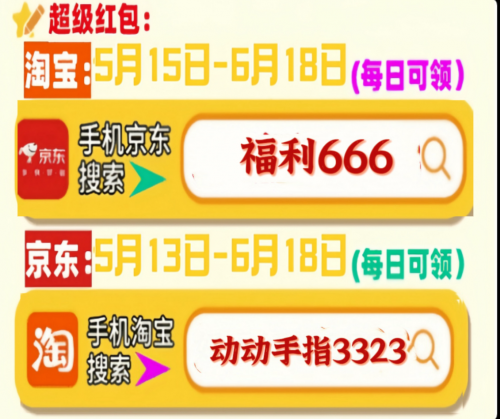
阿里云优惠券 先领券再下单 京东618最全蹲点攻略,让你买得超值!618什么时候力度最大?京东618什么时候最便宜?618什么时候买最划算? 还在为618不知道蹲哪天而烦恼?别担心,这篇攻略能让你轻松把握最佳购物时机,尤其适合关注家电、家具、数码产品的你! 首先,划重点!今年京东的618最新红包口令是「福利666」,淘宝618最新红包口令是「动动手指3323」要记住! 京东APP搜:福利666 淘宝APP搜:动动手指3323 每天领!一直到6月18日!红包最高25888元!每晚8点还能有机会额外领取一次记的查看! 秘诀:先在app搜一下口令,以后每天点历史搜索记录就可以了!
 618前面没买到好价的,第三波一定要抓住‼️????姐妹们,错过了第一波免定,别再错过这一波! ????618第三波时间: 预热:06/12 09:00 - 06/12 10:00 定金:06/12 10:00 - 06/14 22:59 尾款: 06/15 00:00 - 06/20 23:59 ????敲重点 ✔️第3️⃣波6月12号开始,1小时预热,直接开始预售,是不是期待已久!! 12号10点正式开始,收藏一下,后面给大家出免定金攻略,这次不能再错过❗ ✔️消费券会刷新(前面用了的也会刷新重新领) ⭕小建议:消费券不够用的时候,尽量不要用在服饰上 ✔️每天还能领荭饱 ✔️可能会便宜的几个时间点 6.12 10点、6.15 0点、6.18 20点到24点,这几个时间可能会有前N5折 (前N是商家自己选择商品是否报名,所以不是一定有) ✔️品类&店铺券必领: 斐乐:1200-240/2000-400 美妆惊喜券:1500-200 服饰券:98-12/299-20/399/40/599-60 ⚠️消费券是按实付凑,其他的都是按原价凑。 ????88vip消费券,这个建议开,用不掉的卖给别人,直接9️⃣折 500*1张/150*2张/50*5张(看好消费券过期时间,买大件必囤!) ❗避坑指南: 1️⃣凑单按标价算比例 • 标价和活动价差距越大,满减越划算!先加购锁定价格~ 2️⃣????叠加规则(每天领1个,图2️⃣有) • 每单最多叠10个红包(含消费券),退款可重复用! • 单品券每单限1张,多件无组合券的建议分开下单! 3️⃣小样提前囤 • 部分店铺买小样送回购券,先锁优惠再冲正装! ????总结 第三波6.12开始前蹲好我的免定攻略,作业提前做准备,加购!6.12 10点第一时间去付定金!
  省钱技巧 ----领券:京东搜【福利666】 ----提前规划 大促每个节点开始当天更便宜,使用比价工具,提前加购物车 ----叠加优惠公式(开个PLUS会员最划算,618秒回本) 店铺券+跨店满减+PLUS打折券+PLUS补贴券+品类券+PLUS立减+PLUS95折+pluS开卡无门槛红包+PLUS无限免邮=折上折上折上折 4️⃣购买建议 ----数码:手机、平板、笔记本电脑、智能穿戴、相机 (iPhone、iPad、AirPods、mac、华为、外星人、联想) ----大家电、小家电:空调、冰箱、洗衣机、扫地机器人、空气炸锅 (格力、美的、海尔、小天鹅) ----美妆护肤:眼霜、精华、口红、面膜、面霜 (sK-II、雅诗兰黛、兰蔻、OLAY) ----宠物&日用品&母婴:宠物粮、纸巾、纸尿裤 ⚠️大促提醒1、只买刚需,优先囤平时常用 2、下单前确认价保规则 3、数码家电建议开京东PLUS会员,有大额补贴还能和国补叠加,自营的还享受180天置换不修,多一层保障 4、京东PLUS会员享受无限免邮+免费退换货,运费不用担心 5、618期间限时开卡,京东PLUS会员享生活服务包双倍积分,0元兑家政、洗车等
  ]#
]#
申请创业报道,分享创业好点子。
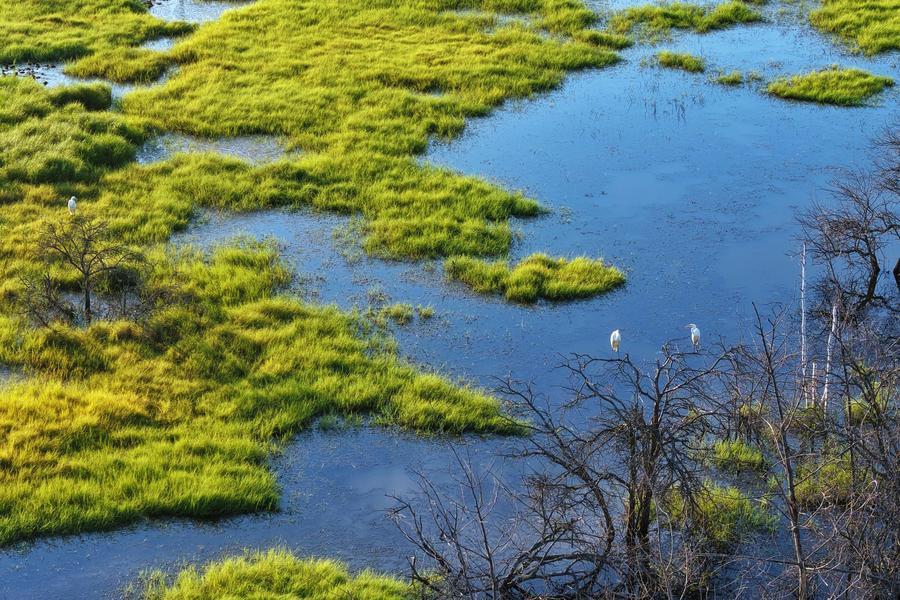
China took a major step toward green modernization on Saturday as its landmark Ecological and Environmental Code officially came into force, strengthening the legal foundation for a more harmonious coexistence between humanity and nature.
Adopted by China's top legislature in March, the code is China's second formal statutory code after the Civil Code.
The code comprises 1,242 articles in five chapters, covering pollution control, ecological protection, and green and low-carbon development, among other areas.
As China advances its Beautiful China initiative, the code is expected to strengthen rule-of-law guarantees for ecological protection and provide fresh impetus for the country's green and low-carbon transition.
A STRONGER SHIELD FOR NATURE
Now in effect, the Ecological and Environmental Code brings together more than 30 laws, 100 administrative regulations, and 1,000 local laws and regulations through systematic integration, compilation, revision, and refinement, creating stronger legal synergy for ecological protection.
"This is a historic shift in the logic of China's ecological and environmental governance," said Qin Tianbao, a professor at Wuhan University. With the new code, China's ecological protection is moving from fragmented management toward systematic governance, Qin said.
The new code has also been welcomed by local judicial authorities across the country, who say it will have a major impact on their work.
"As the code comes into force, we have clearer guidance and a more focused approach when handling cases related to ecological, environmental and resource protection," said Xu Xufen, a judge at the Intermediate People's Court of Huzhou City in east China's Zhejiang Province.
This is because the code establishes a systematic, comprehensive and clearly structured set of legal values, which provide fundamental guidance for adjudication, Xu said.
China's ecological protection legislation has made continued progress in recent years, forming a wide-ranging, detailed and practical legal framework. However, analysts note that some obstacles remain, including fragmentation among different laws and regulations.
The code can help resolve legal conflicts and fill gaps, making the country's ecological and environmental legal system more integrated and coordinated, and better able to keep pace with the times, said Yu Wenxuan, a professor at the China University of Political Science and Law.
The strengthened legal framework comes alongside years of efforts that have produced key environmental gains. Some innovative explorations include the river, lake and forest chief systems, as well as central environmental protection inspections, which have all been included into the code.
Such efforts have led to major changes in China's ecological protection, with key indicators continuing to improve. In 2025, the average PM2.5 concentration in major Chinese cities fell to 28 micrograms per cubic meter, while the proportion of days with good air quality reached 89.3 percent, both the best levels since monitoring began. China has become one of the countries with the fastest improvement in air quality in the world.
By the end of 2025, China's national forest coverage rate had exceeded 25 percent. Since the beginning of this century, about one quarter of the world's newly afforested areas have come from China. The country has recorded the world's largest and fastest growth in forest resources.
Looking ahead, China has mapped out the next stage of its ecological protection drive. In July, the State Council issued a plan for building a Beautiful China during the 15th Five-Year Plan period (2026-2030), setting out the overall requirements, targets, key tasks and major projects for comprehensively advancing the initiative.
According to the plan, by 2030, China will achieve an overall improvement in ecological and environmental quality and make significant progress toward building a Beautiful China, with green production and lifestyles largely established and the carbon peaking target reached on schedule.
CHARTING A GREENER FUTURE
By dedicating a chapter to green and low-carbon development, the code helps bring environmental protection and economic development into closer alignment -- two goals often seen as being in tension, said Hou Jiaru, a professor at the China University of Political Science and Law.
"It combines the philosophy of development through protection and protection through development," Hou said.
In practice, China has made solid progress in advancing green development in recent years. The country has cultivated more than 8,000 national-level green factories, built the world's largest clean power supply system and largest clean steel production system, and established the world's largest carbon emissions trading market.
Echoing the spirit of the new code, China's outline of its 15th Five-Year Plan (2026-2030) prioritizes accelerating the comprehensive green transition of economic and social development, calling for faster progress in shaping green modes of production and day-to-day life.
China has also sought to share its green development experience with the world, contributing Chinese solutions to global ecological protection and sustainable development.
In Egypt, for example, a water-saving terraced farming model introduced from China has been replicated, helping conserve water and support agriculture in the mountainous areas of the Sinai Peninsula. In Saudi Arabia, China's photovoltaic technology is helping the Middle Eastern country harness desert sunshine for solar power, offering a practical path toward clean energy transition.
As the code takes effect, China's green modernization drive is gaining not only a stronger legal foundation at home, but also broader relevance for global sustainable development in an era when fragmented legislation is increasingly inadequate for addressing complex environmental challenges.
To this end, the code includes specific provisions on international cooperation, calling on China to strengthen collaboration on ecological and environmental protection, fulfill its obligations under international treaties it has concluded or joined, and promote cooperation in addressing climate change.
Analysts say that the code marks a significant transition for China in global environmental governance, from participant to leader, while offering a legislative model for the world, especially developing countries.
In particular, the code's integrated approach to pollution prevention, ecological protection and green, low-carbon development -- all key issues on the global agenda, represents an important technical contribution to global legislative practice, said Qin.
"The code sends a clear signal to the international community: China is firmly advancing ecological priority and green development in accordance with the rule of law, and is willing to work with countries around the world to build a clean and beautiful world," he added.
。点击此处,共同探讨创业新机遇!。
Current article:http://9ls6ve8.xiadiaosengchengcun.shop/wydj/20260826/2820140.html
Published on:15:33:00


